
How to Safely Move Heavy Home Gym Equipment
Building out a home gym is a fantastic investment in your health and wellness, but it presents a unique challenge when it is time to relocate. Between cast-iron kettlebells, bulky squat racks, and complex cardio machines, fitness gear is incredibly heavy, awkwardly shaped, and surprisingly fragile. If you are preparing for a move in Madison, figuring out how to safely transport home gym equipment is likely at the top of your stress list.
Whether you are upgrading to a larger space or simply rearranging your current setup, handling heavy fitness equipment requires careful planning, the right tools, and a strong focus on safety. One wrong move can result in a damaged machine, severe scuffs on your floors, or worse, a personal injury. Taking the time to properly prepare your gear will ensure it arrives at your new destination in perfect working condition.
For many homeowners, incorporating professional residential moving assistance is the smartest way to tackle this heavy lifting. However, if you are organizing the logistics yourself, it is crucial to follow professional best practices. Let us walk through the essential steps for breaking down, protecting, and transporting your most stubborn home gym components.
Disassembling Treadmills and Ellipticals for Moving
Cardio machines are often the most daunting items to move. They feature delicate electronic consoles, intricate moving parts, and massive, heavy bases. Trying to muscle a fully assembled elliptical through a narrow doorway or down a tight staircase is a recipe for disaster.
When disassembling treadmills and ellipticals for moving, always start by consulting the manufacturer's manual. If you no longer have the physical copy, you can usually find a PDF version online by searching the model number. First, ensure the machine is completely unplugged and the power cord is securely wrapped and taped to the base so it does not become a tripping hazard.
Next, remove the electronic console. This usually involves unscrewing the display unit and carefully unhooking the wiring harness that connects the screen to the motor. Take a photo of the wiring connections with your smartphone before you disconnect them; this will save you a massive headache when it is time to put the machine back together.
For treadmills, you will typically need to remove the side handrails and fold the walking deck into its locked upright position. Ellipticals require the removal of the moving arm levers and pedals. As you remove bolts, washers, and screws, place them immediately into a sturdy plastic zip-top bag. Tape this bag directly to the main base of the machine so the hardware cannot get lost in transit. If you are uncomfortable handling these complex breakdowns, utilizing professional furniture assembly and disassembly services can ensure your expensive equipment is taken apart and reassembled correctly.
Moving Heavy Weight Racks Without Floor Damage
Free weights, barbells, and heavy-duty squat racks pose a significant threat to your home's flooring. Dropping a weight plate or dragging a metal frame can instantly gouge expensive hardwood or tear up carpet. If you are moving out of an older home on the Near West Side, preserving those original historic floors is likely a major priority.
Moving heavy weight racks without floor damage comes down to friction reduction and impact protection. Start by completely unloading the rack. Never attempt to move a weight rack with the plates still attached. Pack your weight plates in small, heavy-duty boxes, being careful not to overpack them. A box containing just three or four heavy plates can quickly become too heavy for one person to lift safely.
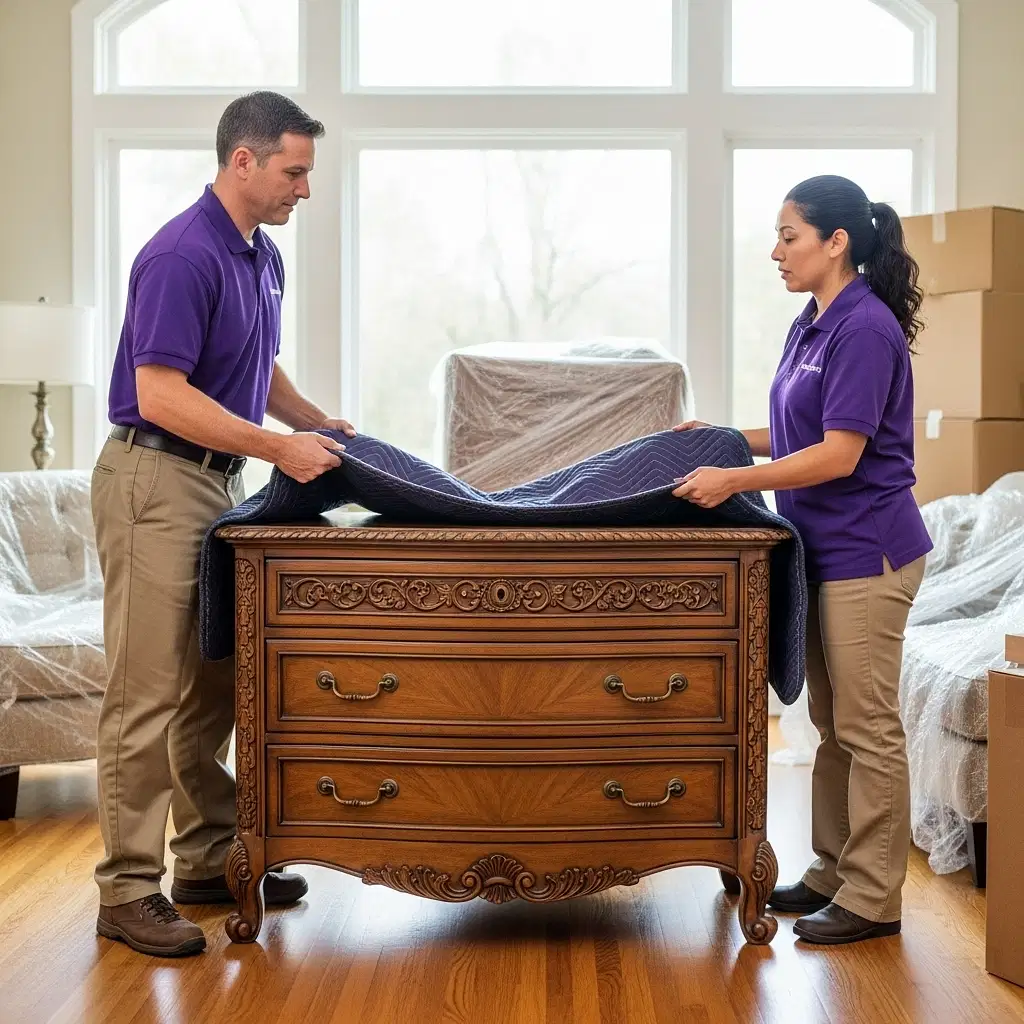
Once the rack is stripped bare, disassemble it as much as possible. If the rack is welded or cannot be broken down, you will need to protect the feet. Wrap the base corners in heavy moving blankets and secure the blankets with packing tape. Do not let the tape stick directly to the metal finish, as it can leave a sticky residue.
To move the frame across the room, use furniture sliders placed under each corner. If you are moving across hardwood, ensure you are using felt-bottomed sliders, not hard plastic ones, which can still scratch the finish. For the actual transport to the truck, a heavy-duty appliance dolly with rubber tires is essential. Tilt the rack back slowly, ensuring it is strapped securely to the dolly before rolling it out.
Navigating Tight Spaces and Securing the Load
One of the biggest logistical hurdles when moving fitness equipment is navigating the layout of your home. Getting a bulky multi-gym down a narrow hallway or around a sharp staircase corner on the Isthmus requires patience, spatial awareness, and excellent communication with your moving partner.
Measure your equipment and your doorways before you start lifting. If a piece is too wide, taking the time to remove an interior door from its hinges can provide the vital extra inch of clearance you need. Always lift with your legs, communicate your movements, and never rush a heavy load down the stairs.
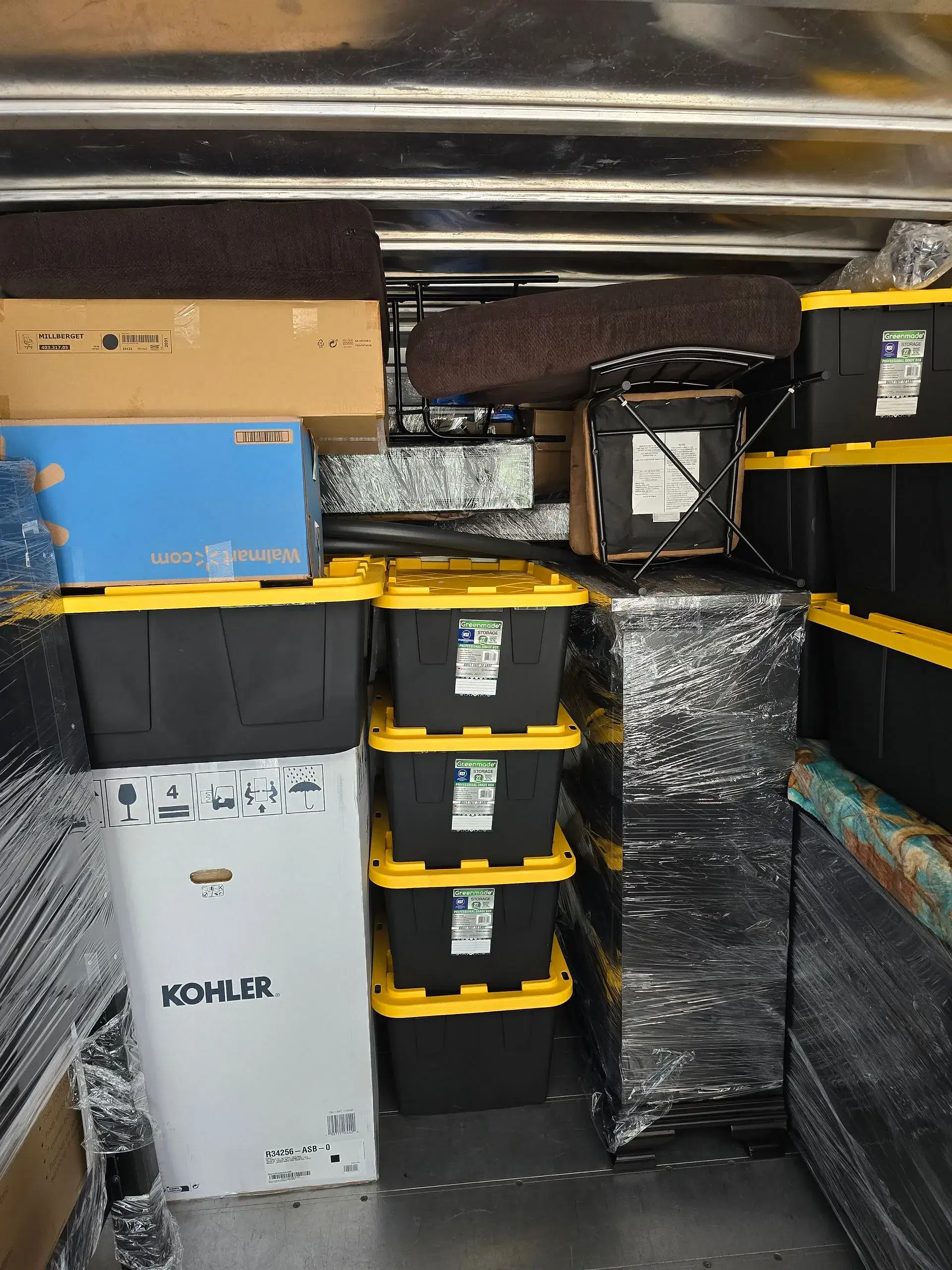
Once you reach the moving truck, loading strategy becomes critical. Heavy equipment should be loaded near the front of the truck (closest to the cab) to distribute the weight safely. Tie everything down using high-quality ratchet straps. Bungee cords are entirely insufficient for securing a 300-pound treadmill. Ensure that no other items can shift and fall onto delicate electronic displays during transit.
Leave the Heavy Lifting to the Professionals
Transporting a home gym is exhausting, highly physical work. It takes away valuable time and energy that you could be spending on other aspects of your relocation. Because of the extreme weight and the risk of property damage, gym equipment is an area where professional help truly pays off.
At Matts Movers, our team is highly trained in specialty moving techniques. We have the proper equipment, from heavy-duty dollies to thick protective padding, to ensure your weights, racks, and cardio machines are relocated safely and efficiently. We understand the physical demands of these items and have the experience to maneuver them through the most challenging home layouts without leaving a scratch behind.
If you are planning a move in Dane County and want to ensure your fitness equipment arrives ready for your next workout, contact our team today. We are here to handle the heavy lifting, giving you peace of mind and a completely stress-free moving day.