
The Ultimate Guide to Preparing and Transporting Pianos for Long-Distance Moves
Moving to a new state is a massive undertaking, but when you add a heavy, fragile, and deeply sentimental musical instrument to the mix, the stress levels can easily double. Whether you are relocating your family away from the Madison area for a new job or finally moving into that dream retirement home, figuring out how to prepare a piano for long distance moving requires careful planning and specialized knowledge.
A piano is not just another piece of furniture. It is a complex mechanical instrument housing thousands of moving parts, high-tension strings, and sensitive wood that reacts dramatically to shifts in temperature and humidity. When transitioning between different climates, the risks to your instrument multiply.
At Matts Movers, we know that handing over a prized acoustic or grand piano requires immense trust. In this guide, we will walk you through the essential steps and industry secrets for protecting your instrument during a cross-country relocation, ensuring it arrives at your new home sounding just as beautiful as the day it left.
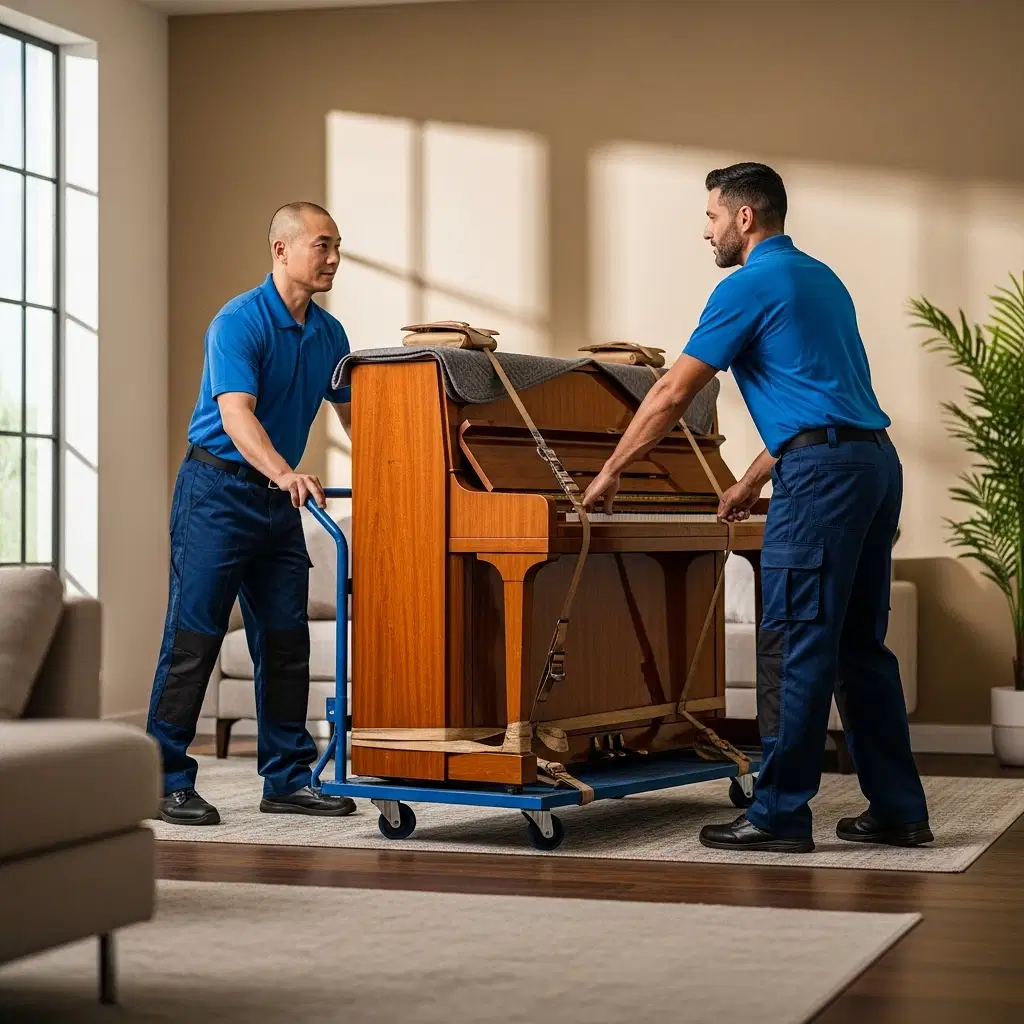
Pre-Move Preparation and Specialized Packing
The most critical phase of moving a piano happens long before it ever touches a truck ramp. Pianos are incredibly top-heavy, with uprights weighing anywhere from 300 to 800 pounds, and grand pianos easily exceeding 1,000 pounds. Proper preparation is the only way to prevent structural damage and cosmetic scratches.
Protecting acoustic pianos during long transit starts with securing the internal mechanisms. Depending on the type of piano, the lid must be locked or securely tied down. For grand pianos, the process is even more involved. The instrument must be partially disassembled: the legs, pedals, and music stand are carefully removed, individually wrapped, and labeled. The main body of the piano is then wrapped in multiple layers of heavy-duty, impact-resistant moving pads.
If the thought of disassembling a complex instrument feels overwhelming, you are not alone. This is exactly why many homeowners opt for professional packing & unpacking services. A specialized team will bring the right materials, from non-abrasive stretch wrap to climate-resistant padding, ensuring the wood is shielded from the harsh temperature swings that often occur during interstate travel. Extreme cold or heat can cause the soundboard to crack or the tuning pins to slip, so creating a highly insulated, protective barrier around the instrument is absolutely vital.

Safety, Logistics, and Loading Techniques
Once the instrument is wrapped, the physical heavy lifting begins. Navigating a piano out of a home—especially if you are dealing with the narrow staircases and tight corners often found in historic neighborhoods on the Near West Side—requires absolute precision, teamwork, and the right equipment.
When looking into cross country piano transport safety tips, you will quickly learn that standard moving equipment simply won't cut it. Professionals use specialized piano dollies with non-marking rubber wheels to protect your hardwood floors. For grand pianos, a piece of equipment called a piano skid board is mandatory. The body of the piano is strapped tightly to this padded wooden board, allowing the crew to tilt and maneuver the massive instrument safely through doorways and down stairs without compromising its center of gravity.
It is also important to consider the regulatory and insurance aspects of interstate transport. Unfortunately, the moving industry has its share of unlicensed rogue operators offering unbelievably low rates online, only to add hidden fees or provide zero coverage if an item is damaged. When you book reliable long distance moving services, you should expect transparent, guaranteed flat-rate pricing and comprehensive insurance options. Your moving team should be fully compliant with federal transportation regulations, giving you total peace of mind while your prized instrument travels hundreds or thousands of miles down the highway.
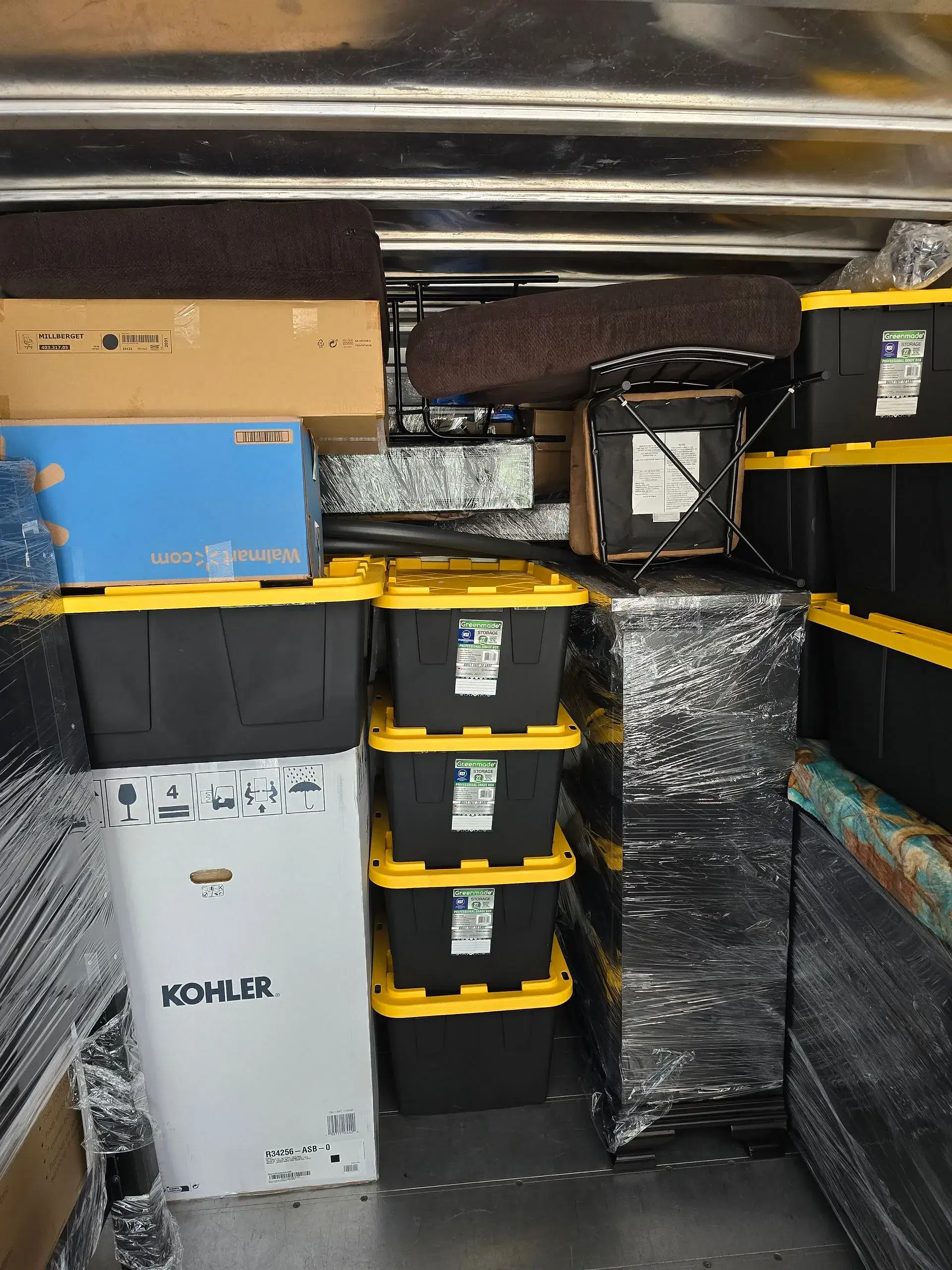
Arrival, Unloading, and Acclimation
The final leg of the journey is just as important as the first. Best practices for interstate musical instrument transport dictate that the piano should be the last item off the truck and the first item carefully positioned in your new home. Once the movers bring the piano inside, reassemble any removed parts, and unwrap it, your job isn't quite done yet.
Resist the urge to call a tuner immediately. Your piano has just traveled a long distance through varying climates, and the wood needs time to acclimate to the specific temperature and humidity levels of your new house. Experts generally recommend waiting at least two to three weeks before having the piano professionally tuned. This waiting period allows the soundboard and strings to settle into their new environment, ensuring the tuning actually holds.
Whether you are upgrading to a larger family home or finally transporting your beloved instrument to a quiet retreat Up North, taking the right precautions makes all the difference. If you are planning a relocation out of Dane County and want to ensure your instrument is handled with the utmost care, reach out to Matts Movers to learn more about our dedicated piano moving solutions. Our background-checked, highly trained crews are ready to take the stress out of your next big move.